
Channel: Centro Studi Bhaktivedanta APS
Marco Ferrini, GLA University, Vedic philosophy, Vastu Shastra, sacred architecture, symbolic architecture, architecture and spirituality, architecture and meaning, Vedic architecture, sustainable architecture, civil engineering, built environment, architecture and human values, Bhagavad Gita, Bhakti Yoga, Srila Prabhupada, Indo-Vedic wisdom, traditional culture, space and symbol, Centro Studi Bhaktivedanta …
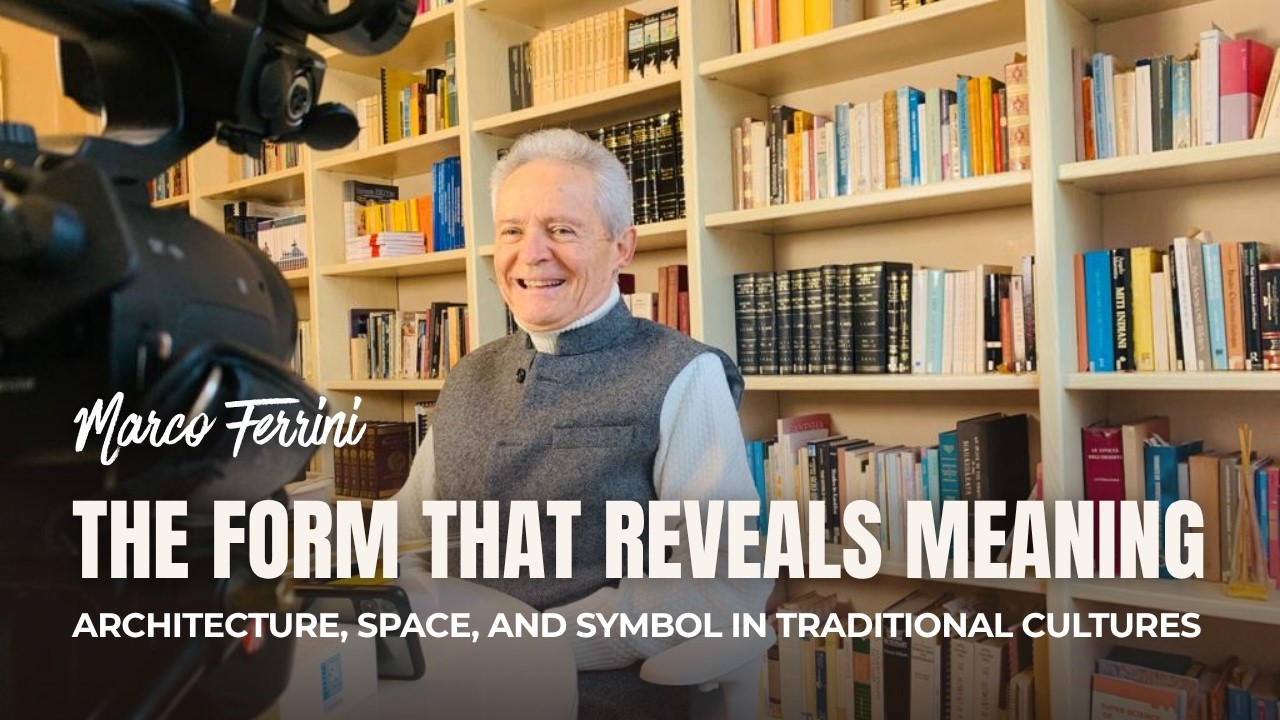
This lecture explores architecture as a profound organization of perception and meaning rather than a mere arrangement of physical matter. Drawing from Vedic traditions, modern science, and classical philosophy, Matsyavatara Prabhu explains how structural design influences human consciousness, memory, and emotional well-being. The speaker emphasizes the concept of convergence, suggesting that while technical engineering provides essential stability, the true purpose of a building is to facilitate a spiritual and symbolic relationship between the inhabitant and their environment. Using examples like the Vastu Shastra and the Pushpa Samadhi Mandir, the text illustrates how geometry, light, and proportion transform spaces into fields of experience. Ultimately, the source advocates for a holistic approach where utility, beauty, and stability unite to serve the deeper aspirations of human life. The lecture “The Form That Reveals Meaning” shares profound commonalities with Srila Prabhupada’s teachings on Bhakti Yoga, particularly in the belief that material forms can be spiritualized through consciousness and service. A primary connection is the speaker’s direct involvement in designing the Srila Prabhupada Samadhi Mandir in Mayapur, a project where architecture was treated not merely as a functional building but as a “spiritually expressive” laboratory for perception.A fundamental philosophical intersection lies in the lecture’s reference to the Bhagavad-gita’s 13th chapter, specifically the distinction between kshetra (the field) and kshetrajna (the knower of the field). This aligns with Prabhupada’s teaching that the body and the physical world are fields of experience for the conscious soul. The speaker argues that architecture creates an external “field” that must interact with the “inward” experience of the observer, mirroring the Bhakti principle that our environment should be designed to support spiritual realization.
Furthermore, the concept of Sadhana is applied to the creative process, emphasizing that “intention matters” because it shapes the quality of the result. In Bhakti Yoga, Sadhana is the disciplined practice used to purify consciousness; similarly, the speaker describes the “sadhana of the architect” as one where conscious attention is paramount. This reflects Prabhupada’s insistence that the internal mood of service (Seva) is more vital than mere external quantity or mechanical performance.
The lecture also highlights sacred geography, noting that holy places like Vrindavan, Mathura, and Mayapur are not just locations but “meanings” carried within the consciousness. This echoes the Bhakti understanding of the Dhama as a transcendental space. Finally, the speaker links the Vedic concept of Sat-Chit-Ananda (eternal being, consciousness, and bliss) to the ultimate reality that architecture should reflect, suggesting that beauty, stability, and utility are part of a single essential reality. In both the lecture and Bhakti Yoga, the material world is seen as a “visible expression of the invisible,” intended to guide the soul toward its original spiritual orientation.